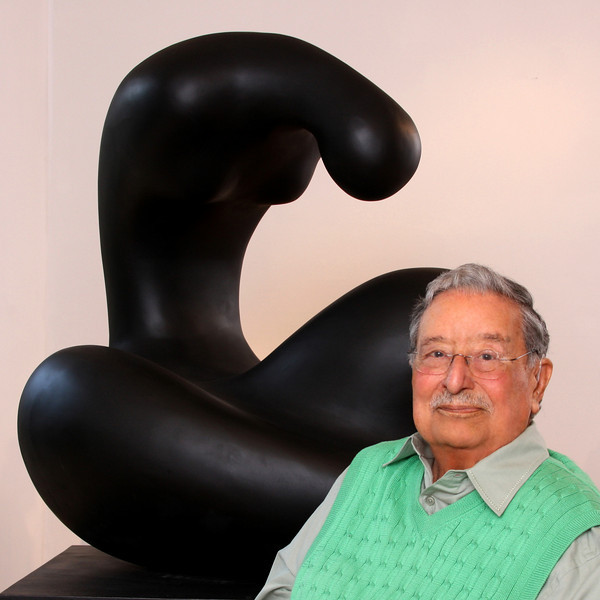
He belongs to the generation of artists trained at the Escuela Nacional de Bellas Artes “San Alejandro” in Havana, alongside Mario Carreño, Amelia Peláez, Victor Manuel, and Fidelio Ponce. His mentor, José Sicre, a former student of Antoine Bourdelle, profoundly influenced his artistic approach. In the 1940s and 1950s, Carbonell developed a classical and religious style, creating bas-reliefs with biblical themes and statues of the Virgin Mary.
In 1954, he won the prize at the Hispanic-American Art Biennial in Barcelona with his work Fin de una raza (End of a Race), now exhibited at the National Museum of Fine Arts of Cuba. In 1959, after the Cuban Revolution, he went into exile in New York, then in Miami, where he became a major figure in modern sculpture. His monumental works, such as The Pilar of History in Miami, bear witness to his commitment to memory and cultural identity. In 1976, he presented his sculpture The Bicentennial Eagle at the White House, a symbol of freedom offered to the United States to celebrate the bicentennial of American independence. The following year, he created the Madonna of Fatima, an 8-meter-high bronze statue, one of the most imposing bronze works cast in America in the 20th century.
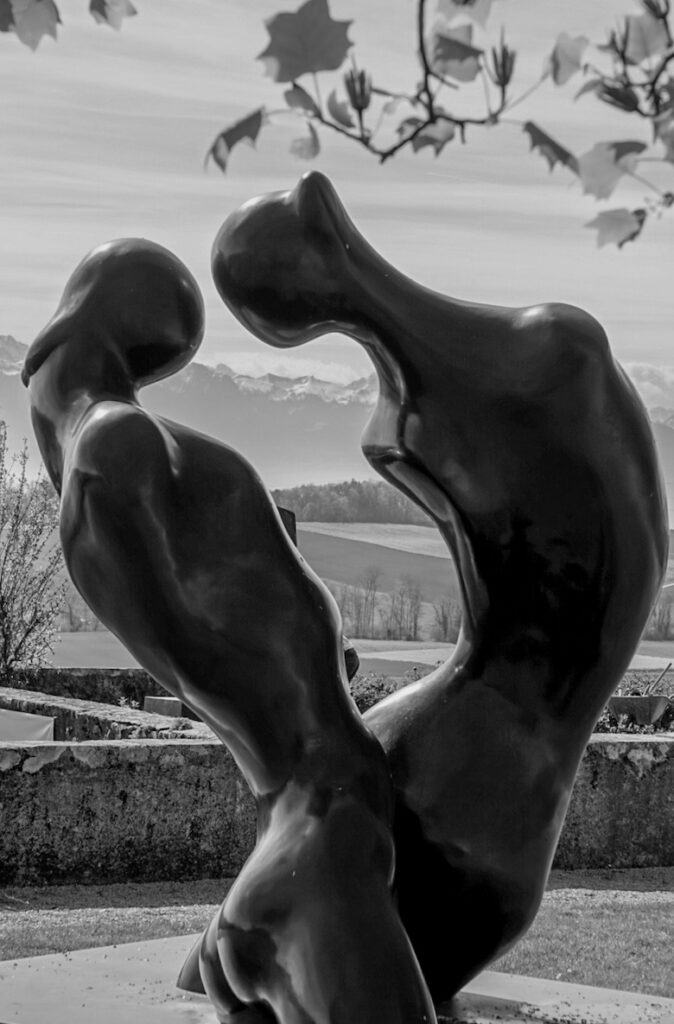
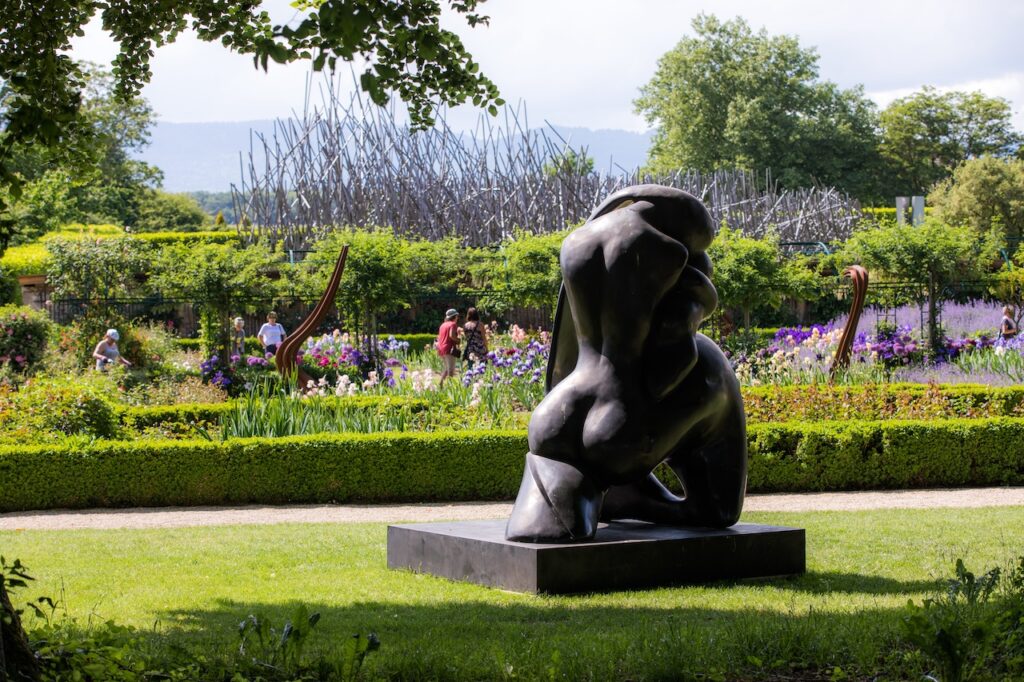
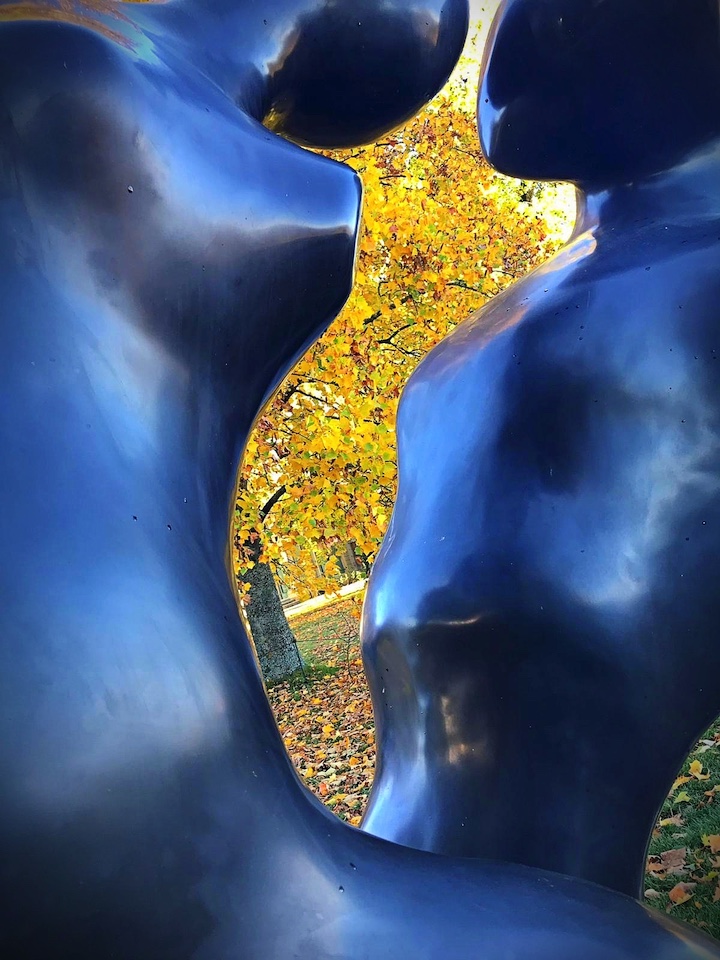
Manuel Carbonell draws inspiration from classical European art (Renaissance, Bourdelle), religious art, and Cuban traditions, blending classical and Latin American influences to create works that are both poetic and dynamic. His sculptures have a unique and incomparable style, demonstrating formidable technique and being immediately identifiable. His works are at once refined, modern, poetic, and sensual. They are now dispersed among private collections, museums, and public spaces.