
Manuel Torres initially chose the profession of boilermaker, fascinated by the work of Gypsy blacksmiths. After studying at the Vocational School in Malaga, he left Spain in 1960 and settled in Geneva, where he worked as a metalworker at the Ateliers des Charmilles. It was there that he set up a small workshop and created his first iron sculptures, assembling nails, plates, and rods. In 1971, after receiving a major commission from the Swiss Federation of Metalworkers and Watchmakers, he left his job as a factory worker to dedicate himself fully to sculpture and established his studio in Eaumorte, in the Geneva countryside.
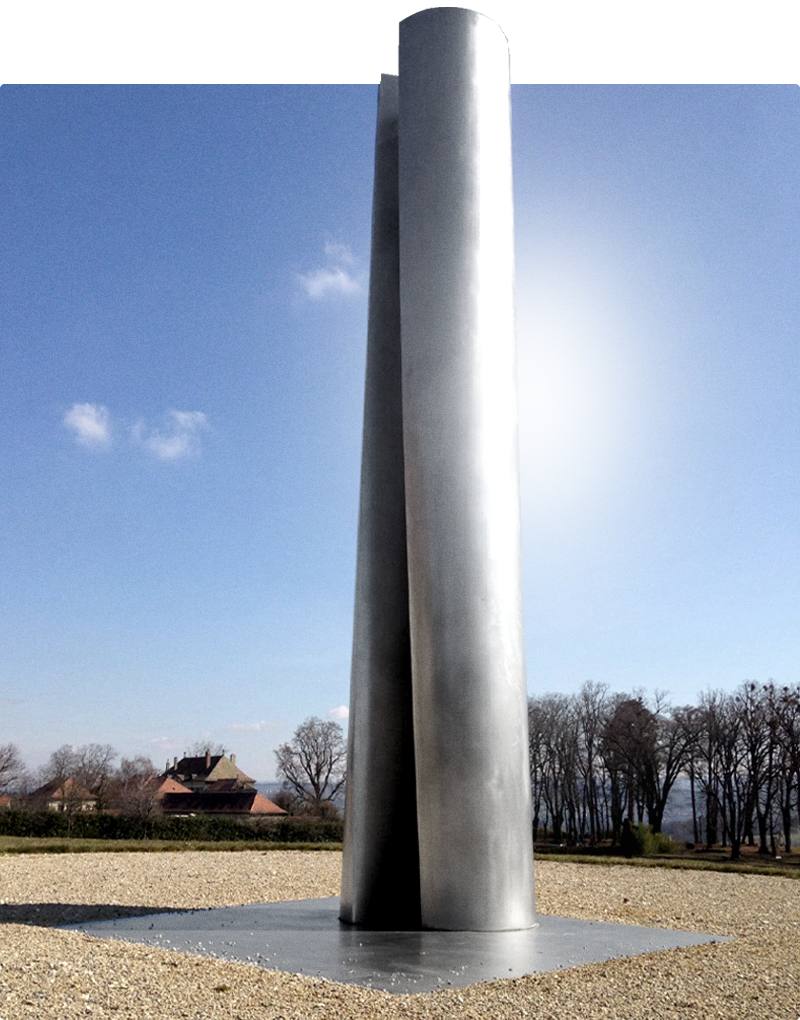
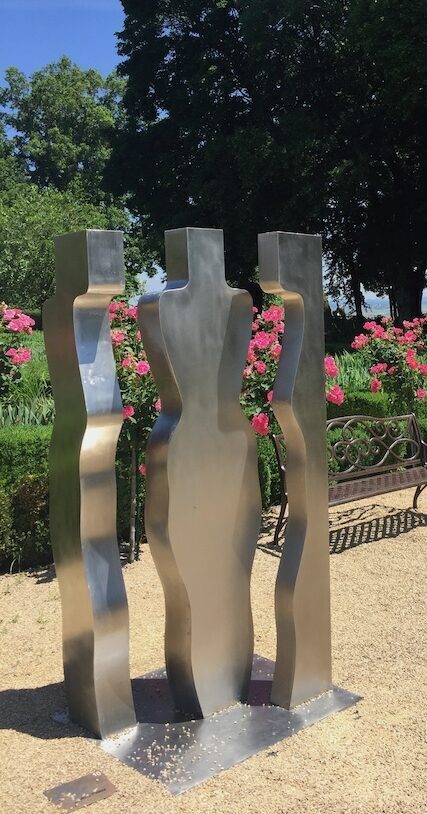
From the mid-1960s onward, Torres participated in numerous exhibitions in Switzerland, France, Spain, and Austria. Starting in the 1980s, he received commissions for monumental sculptures for public spaces, primarily in Geneva but also in Biel, Delémont, Schaffhausen, and Madrid. His sculptures, made of stainless steel or iron, now adorn more than twenty parks, streets, and public buildings in Switzerland. Present in the gardens of the Château de Vullierens since the 2000s, his works bear witness to the strength and poetry of his artistic language.
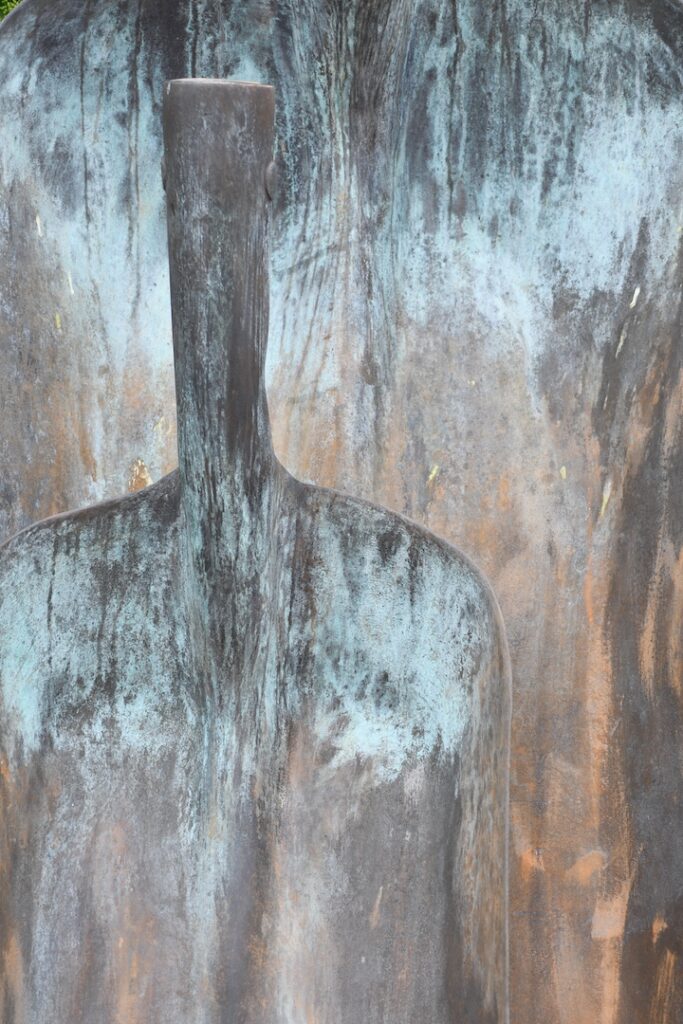
A tireless worker, Manuel Torres said he wanted to “bring out the soul of the metal.” His geometric creations often evoke the duality of man and woman, the intertwining or embrace. Sensual and poetic, they convey a profound symbolic dimension. Also fascinated by Egypt, he created tall, hieratic silhouettes in oxidized or blackened iron, rising towards the sky like timeless figures. His work, marked by more than forty years of exploration, has achieved international recognition and is featured in numerous private collections and prestigious foundations. He died in Geneva in 2018, leaving a major legacy in contemporary sculpture.