Focus on our heritage
Explore the traces of the past and reveal their secrets
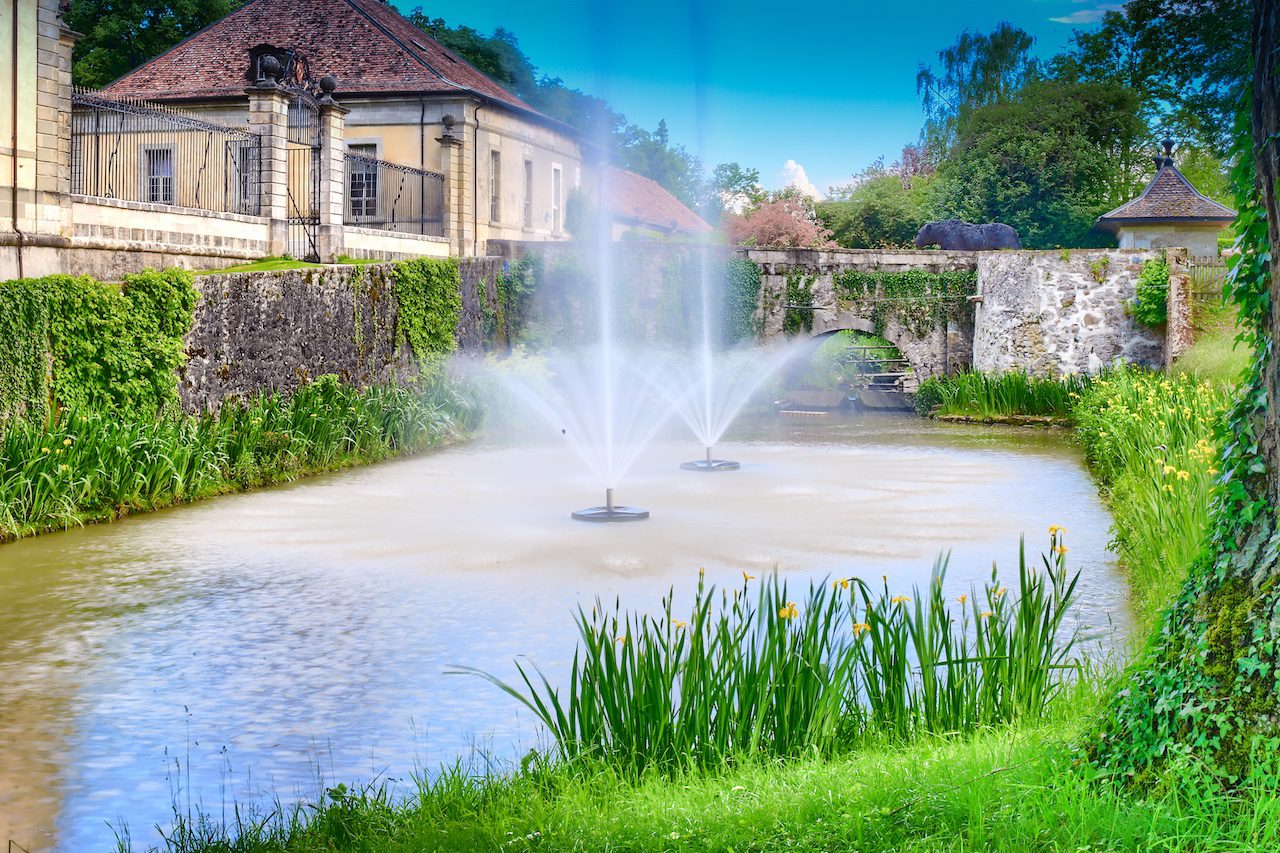
The moats
An iconic remnant of defensive architecture, the moat at Château de Vullierens recalls the site’s medieval history and bears witness to the ancestral expertise of its builders. Long used as a natural barrier against attackers, it is located on the north side of the castle and surrounded by a water garden planted with irises and other flowers. Strolling along the low wall, visitors are immersed in the atmosphere of yesteryear and discover a heritage feature that is rare in French-speaking Switzerland.
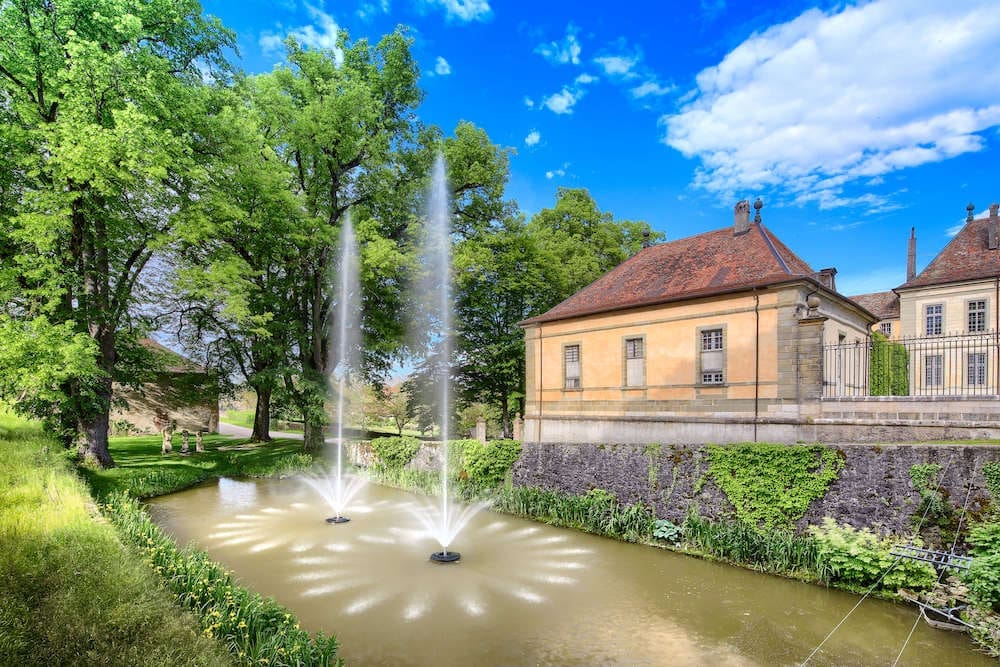
The moat, a natural reservoir
Today, the moats have found a new use: they serve as natural reservoirs, collecting rainwater and water from the estate’s springs. This precious resource contributes to the sustainable watering of the gardens, combining historical heritage with contemporary ecological management.
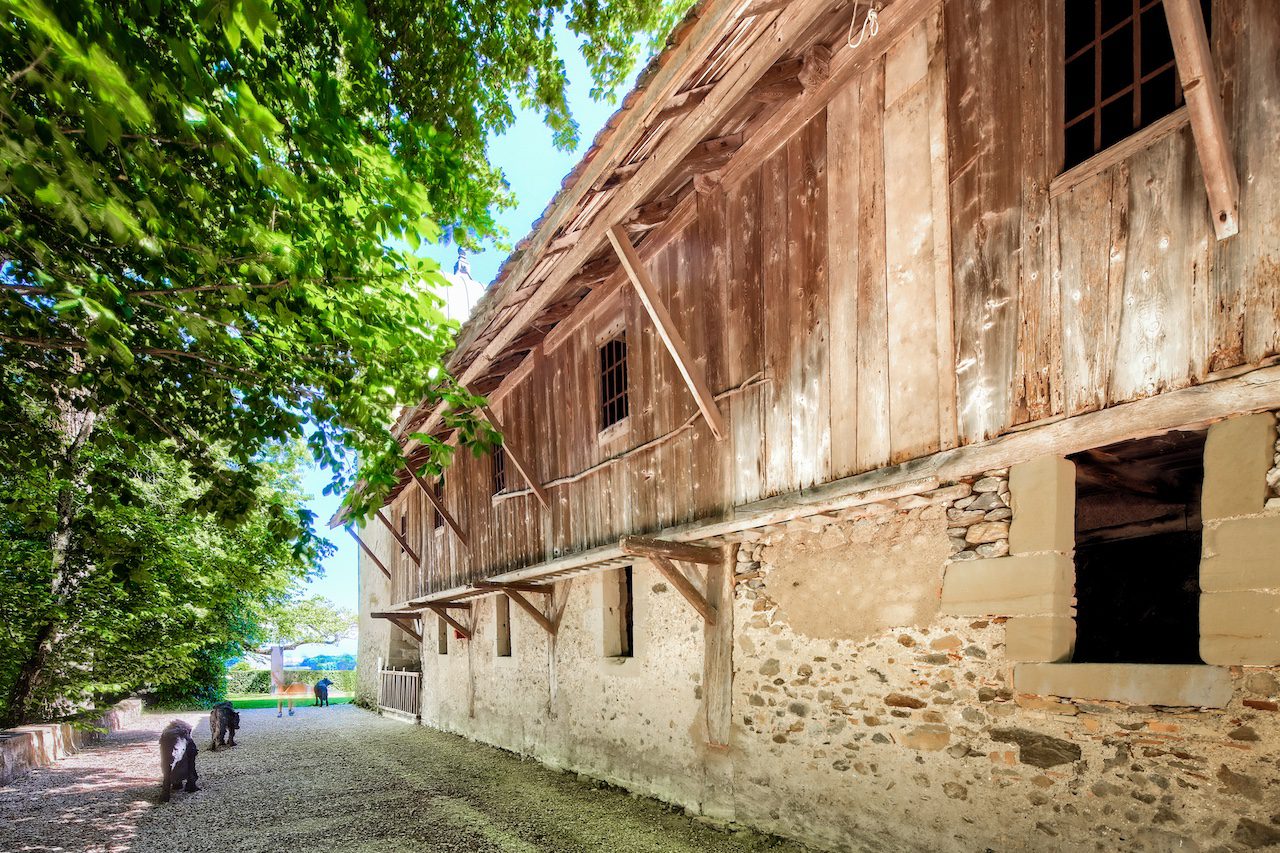
Historic ice house
Until the end of the 19th century, many castles had ice houses, the ancestors of modern refrigerators. These ingenious structures were used to store ice harvested from ponds in winter so that it could be used throughout the year.
At Château de Vullierens, the ice house takes the form of a large underground well, facing north to limit heat gain. Covered with straw and branches, this ingenious system perfectly illustrates the architectural expertise and sustainable solutions implemented in castles to preserve food.
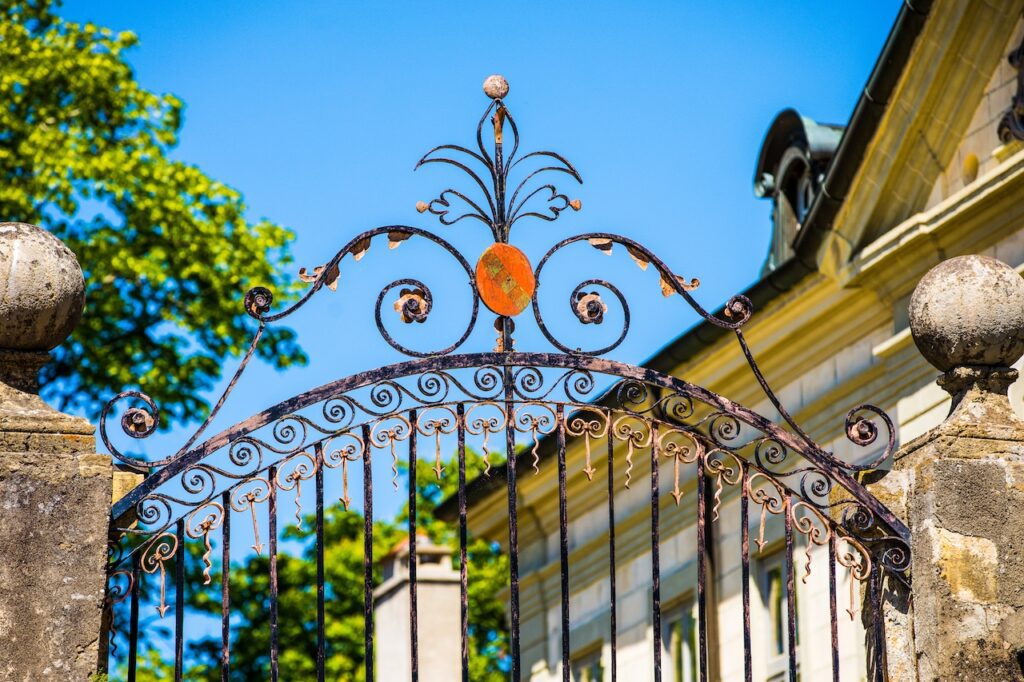
Tithe House
A historic building on the Château de Vullierens estate, the Maison de la Dîme was once used to store crops collected as feudal taxes. A rare reminder of the estate’s agricultural and seigneurial past, it illustrates the importance of rural life and remains a major part of the estate’s heritage today.
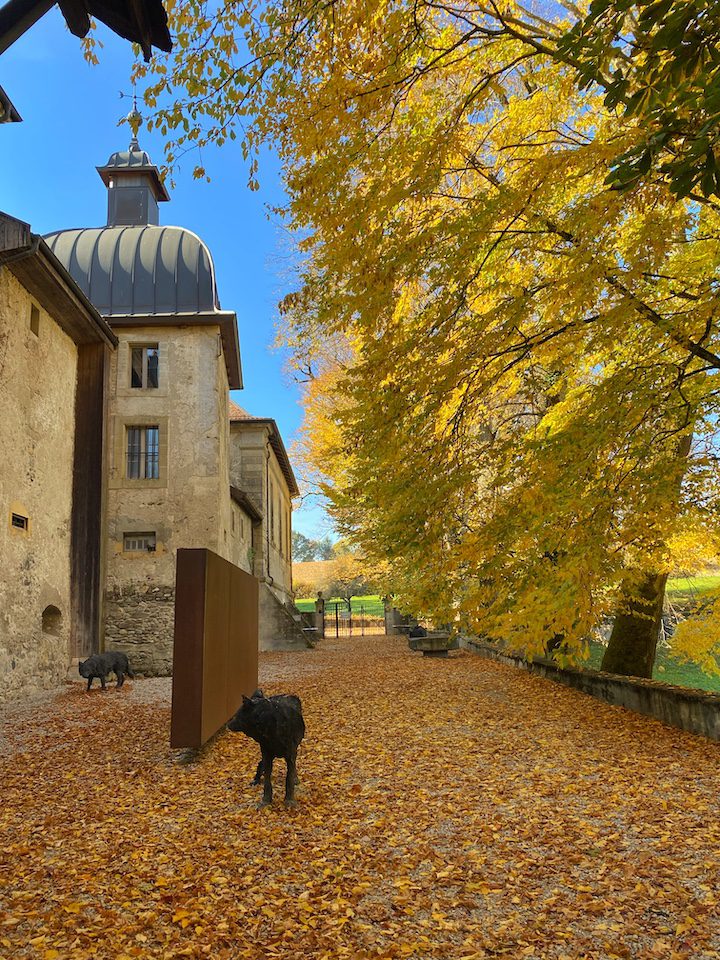
The two surviving towers
A 1685 map reveals that the medieval castle was protected by a double crenellated wall. The building then comprised several three-story main buildings, connected by half a dozen towers, one of which was particularly imposing. Today, only two towers remain in the northeast of the castle. Transformed in the 18th century with the addition of imperial roofs, they are a reminder of the estate’s defensive past. One of them still houses its clock, installed in 1740, which has become an iconic symbol of the Château de Vullierens.